Pera Museum
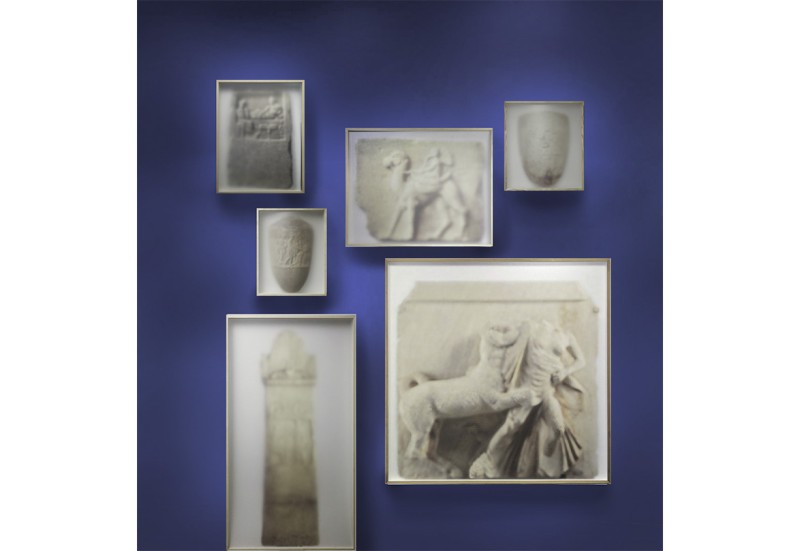
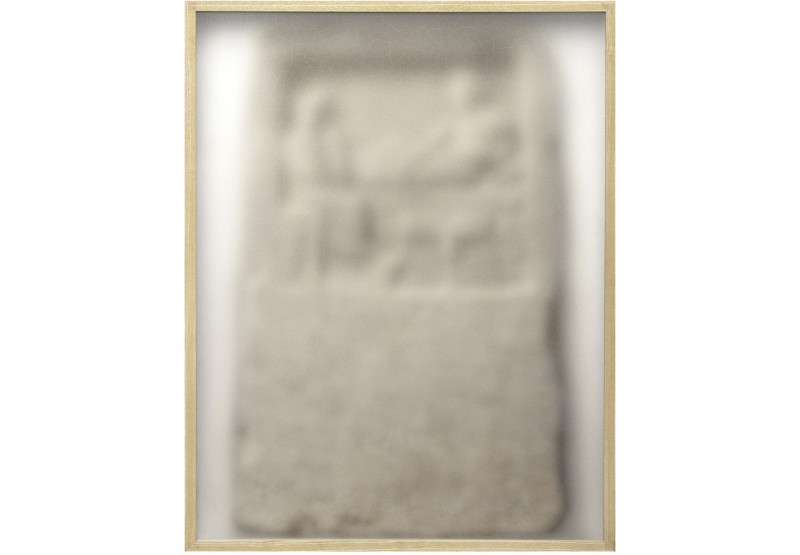
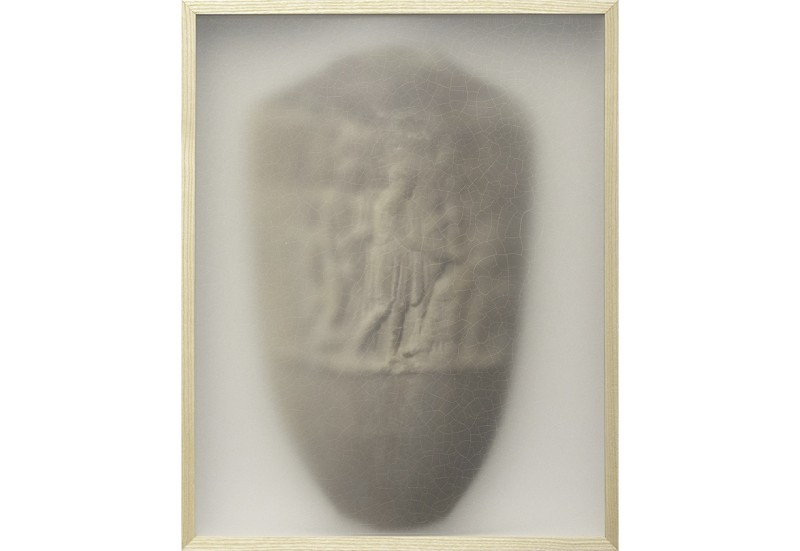
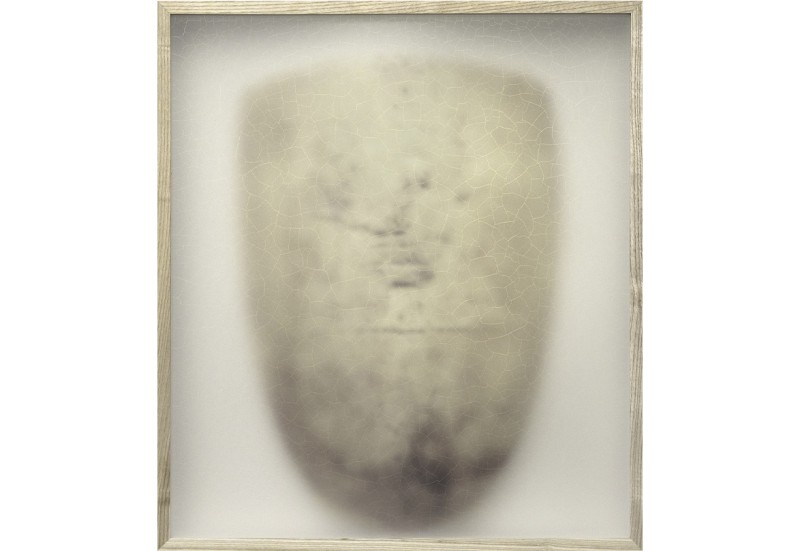
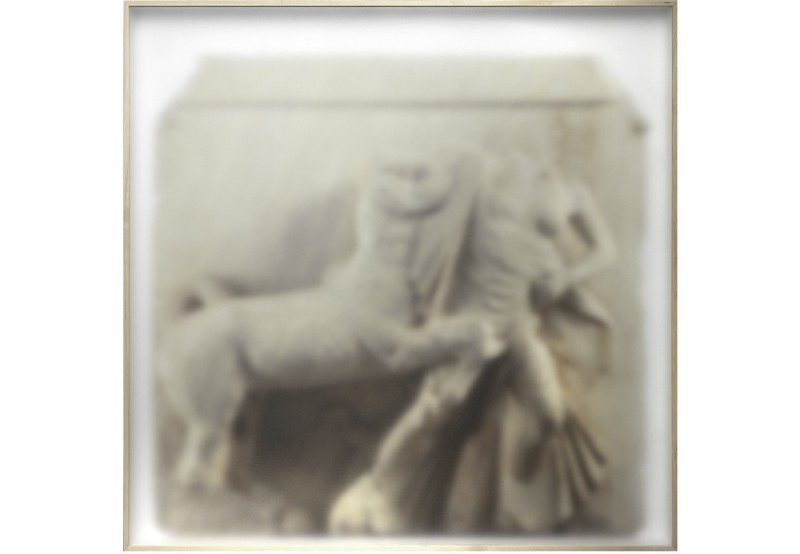
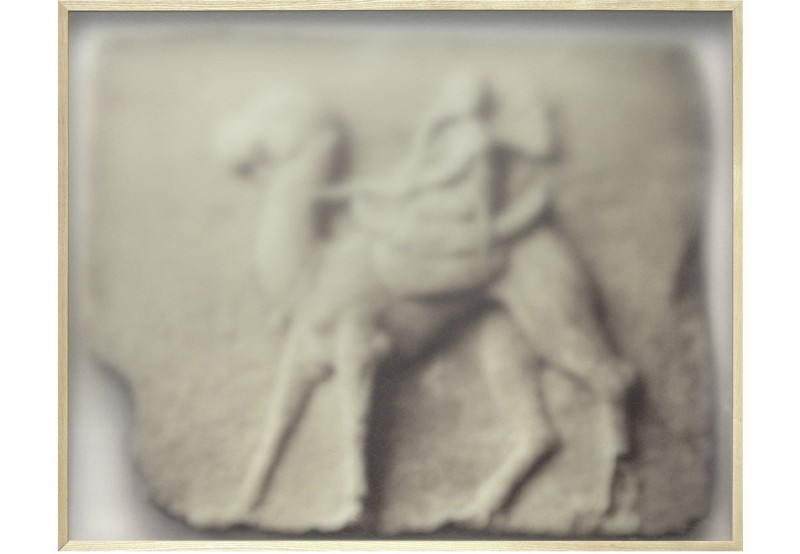
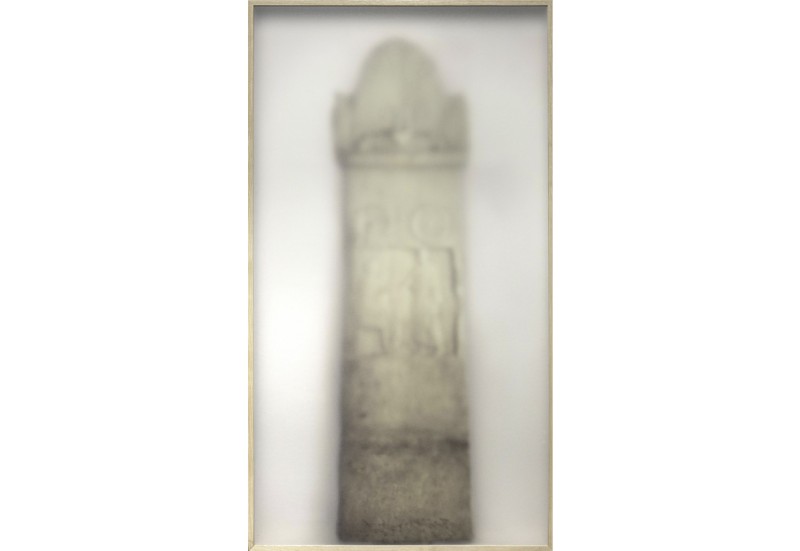
Starting February 2026, Pera Museum Istanbul presents a new installation featuring photographic works by Dutch artist Casper Faassen (1975, Leiden). The works are shown alongside Yeni Camii and The Port of Istanbul, 1776 by Jean-Baptiste Hilaire – from the museum’s permanent collection – as part of the artist’s ReCollection series. In this dialogue, Faasen’s work responds to details in Hilaire’s painting depicting marble objects being loaded onto a boat in the Bosphorus, en route to France. The installation will be on view until early 2027.
From his studio in Leiden, Faassen examines how Western museum collections have been formed and how cultural authority has been historically constructed. “It is difficult to makesense of recent geopolitical developments without a broader historical context. In recent years, there has been growing recognition in the West of how colonial, imperial and racist histories continue to shape the present. Visually questioning the origins of cultural objects is one way of engaging with this legacy.”
Through a process he refers to as “ReCollecting”, Faassen retraces dispersed objects and photographs them in a new context, challenging the ways in which collections were gathered.
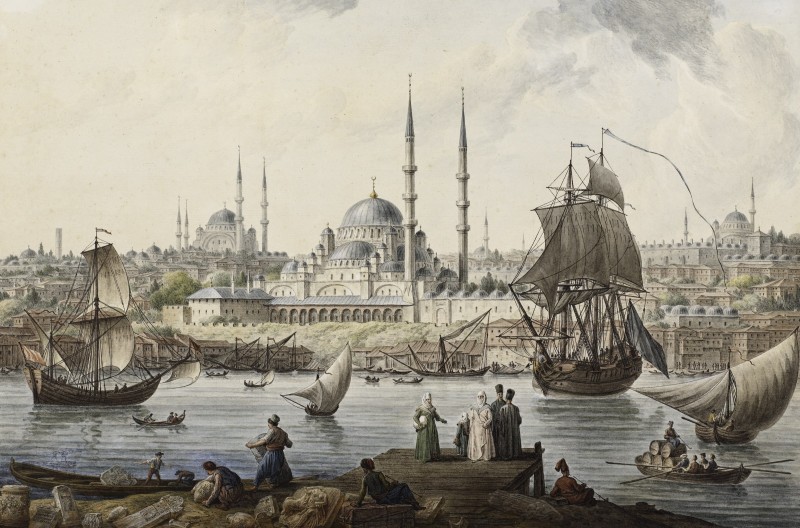
The transport depicted in the painting is linked to the French ambassador Comte de Choiseul-Gouffier, whom Hilaire accompanied during his travels through the region. The scene reflects a broader 18th century practice in which cultural artefacts were transported from Ottoman territories to Western Europe, often under conditions shaped by unequal power relations. Faassen succeeded in tracing the marble objects shown in the painting, now largely held in the collection of the Louvre, and has photographically reassembled them in his distinctive visual language. Veiled behind semi-transparent layers and overlaid with craquelé, the sculptures appear as fragile images marked by time, memory, and displacement. Presented as quiet witnesses rather than historical trophies, the works invite reflection on the legacy of cultural extraction and the narratives that continue to shape museum collections today.