UNSEEN 2026
ReCollection Series
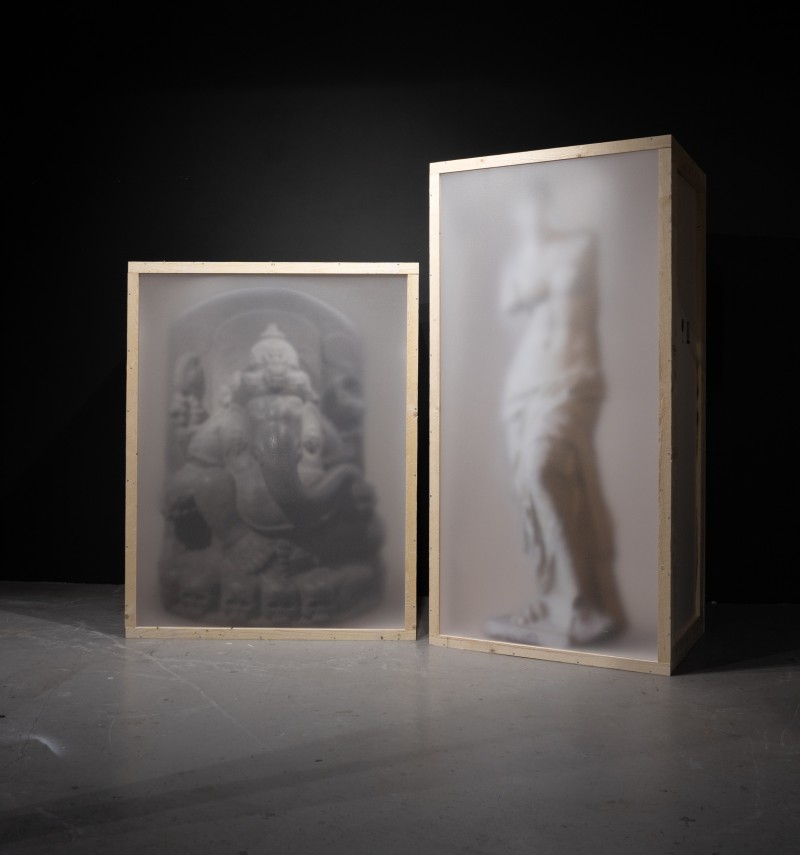
For the 2026 UNSEEN photo fair at Art Rotterdam, Bildhalle Gallery brings a solo presentation with a project by Casper Faassen.
Through a process he refers to as “ReCollecting”, Faassen traces dispersed cultural belongings and reworks them in his signature language. The new sculptures are presented as memories in transit and placed in groups with similar disputed backgrounds.
The ongoing questions of ownership and restitution can be seen as symbols for broader societal inequalities, reminding viewers that the conversations and the accountability of action do not end simply with the returning of an object. Restitution or the debate surrounding it, can be used as a starting point for understanding the complexity of our present day relationships.
The ReCollected cultural belongings in this presentation all stand in their own corner of the conversation.
For Faassen it is also a personal project. Although aware of his position and active in the discourse, his ideologies were not always visible in his work.
Thanks to Gert Oostindie, Jos van Beurden and Menucha Latumaerissa of the Budaya Kita foundation (which we partly support with the project) for their expertise and help. For in depth learning on the subject, the books Rekenschap by Gert Oostindie, “Ongemakkelijk Erfgoed” and “Het lege-vitrinesyndroom” van Jos van Beurden are recommended.
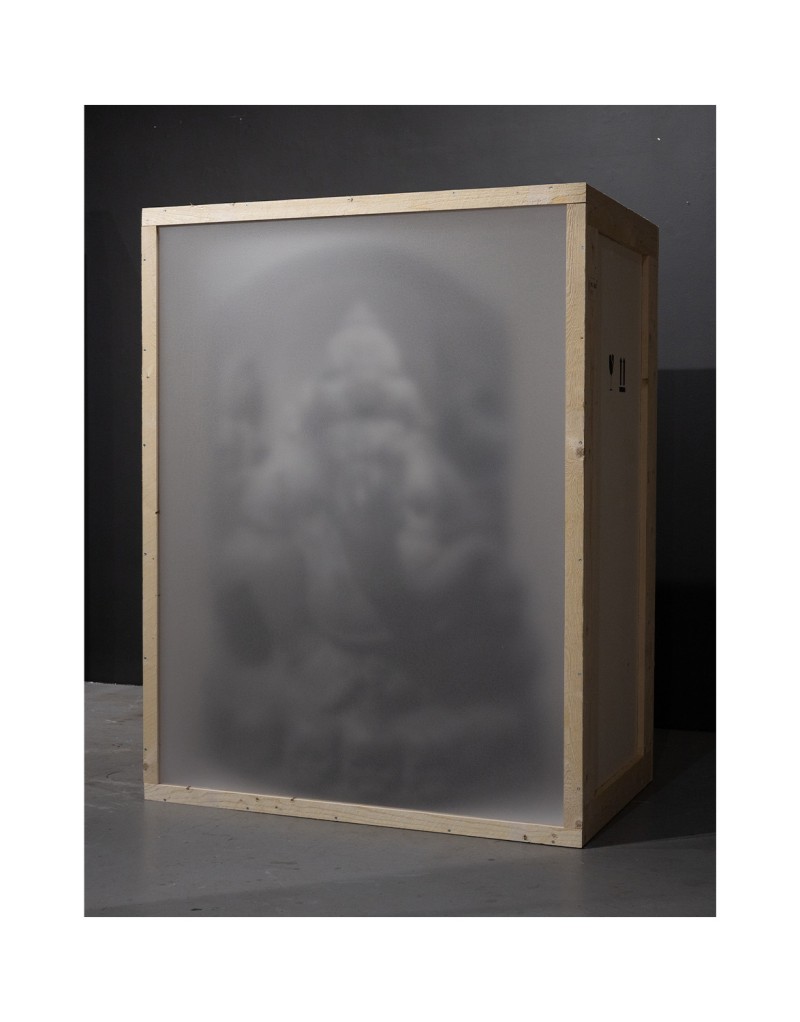
Ganesha
A statue of the Hindu deity Ganesha from the collection of the Wereldmuseum Leiden was restituted to Indonesia after research showed it had likely been removed during the colonial period under questionable circumstances. The decision followed increasing recognition in the Netherlands that objects acquired in colonial contexts may not have been obtained ethically, even if technically legal at the time. The restitution reflects a broader institutional shift toward addressing historical injustices and engaging in dialogue with countries of origin.
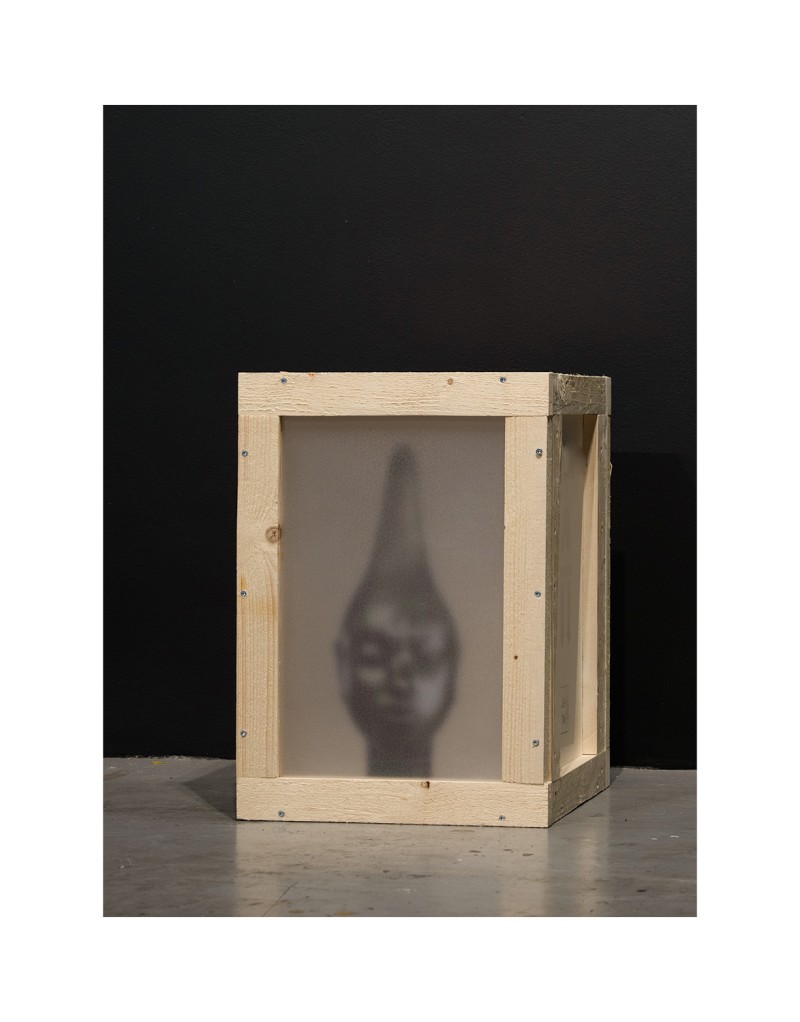
Benin Bronze
The Benin Bronzes were looted by British forces during a punitive expedition in 1897, which destroyed Benin City. Thousands of artworks were taken and later sold to museums and collectors across Europe. Nigeria has repeatedly requested their return, arguing they were clearly stolen during a violent colonial invasion. Many institutions now acknowledge this history, and some have begun repatriation processes, though debates continue over ownership and responsibility.
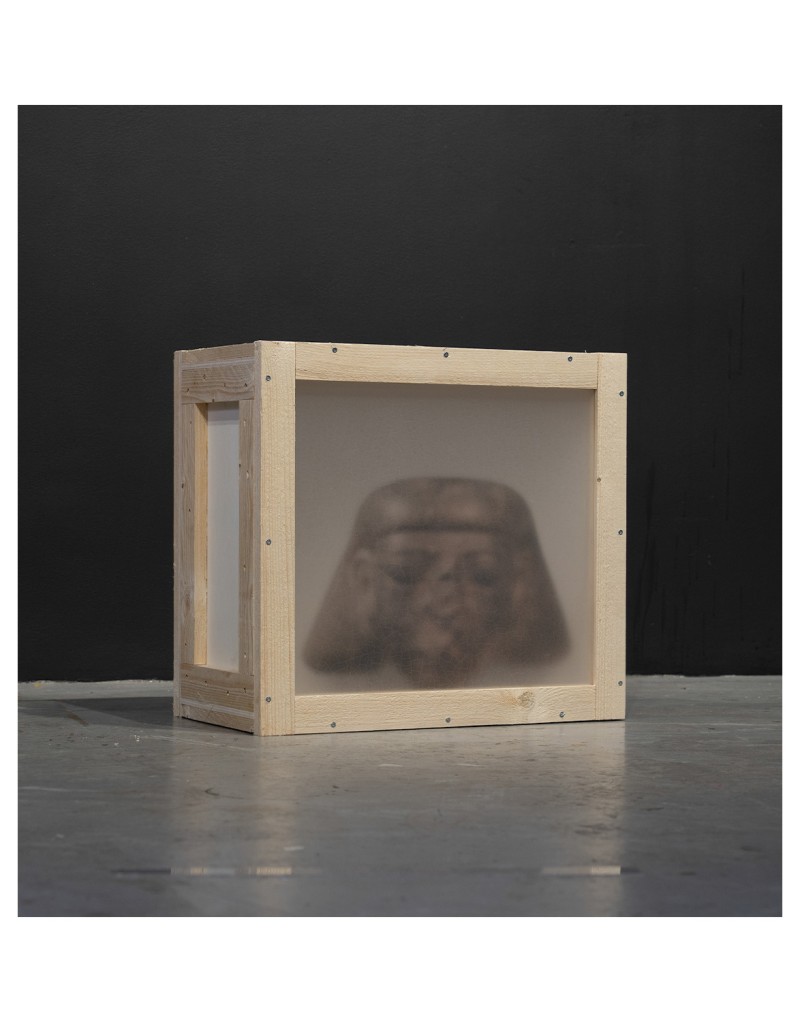
ReCollection Farao
An ancient Egyptian statue offered for sale at the TEFAF Maastricht in 2022 drew scrutiny due to gaps in its provenance, particularly before the 1970s. The 3500‑year‑old Egyptian statue was seized by the Dutch government and officially returned to Egypt in February 2026 Egypt has argued that many such objects left the country through looting or illicit export, especially during periods of political instability. While the seller maintained that the object was legally on the market, critics pointed out that unclear ownership histories can indicate unlawful removal. The case reflects broader concerns about the role of major art fairs in legitimizing potentially looted antiquities and the difficulty of verifying provenance.
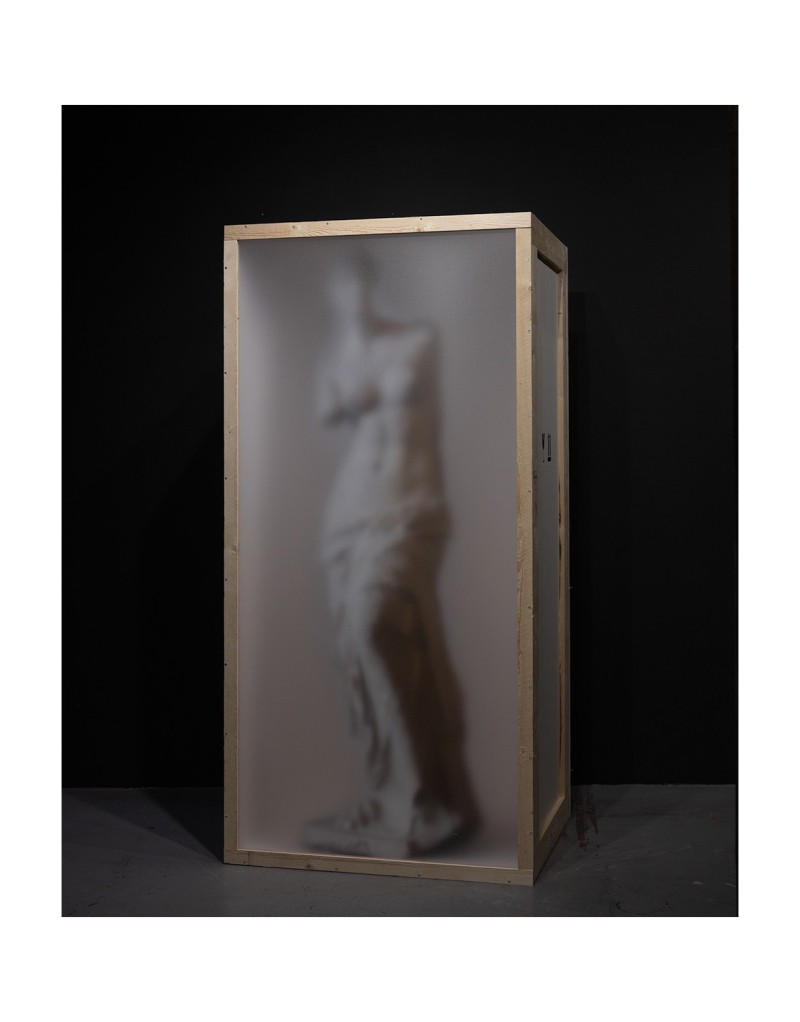
Venus de Milo
The Venus de Milo was discovered on the island of Milos in 1820 and soon acquired by France. Accounts of its discovery and sale vary, with some suggesting pressure or opportunism during Ottoman rule over Greece. Although not as widely disputed as other objects, questions remain about the fairness of its acquisition in a context of foreign control. The statue has become a symbol of classical heritage, and its presence in France raises broader debates about whether such iconic works should reside in their country of origin.
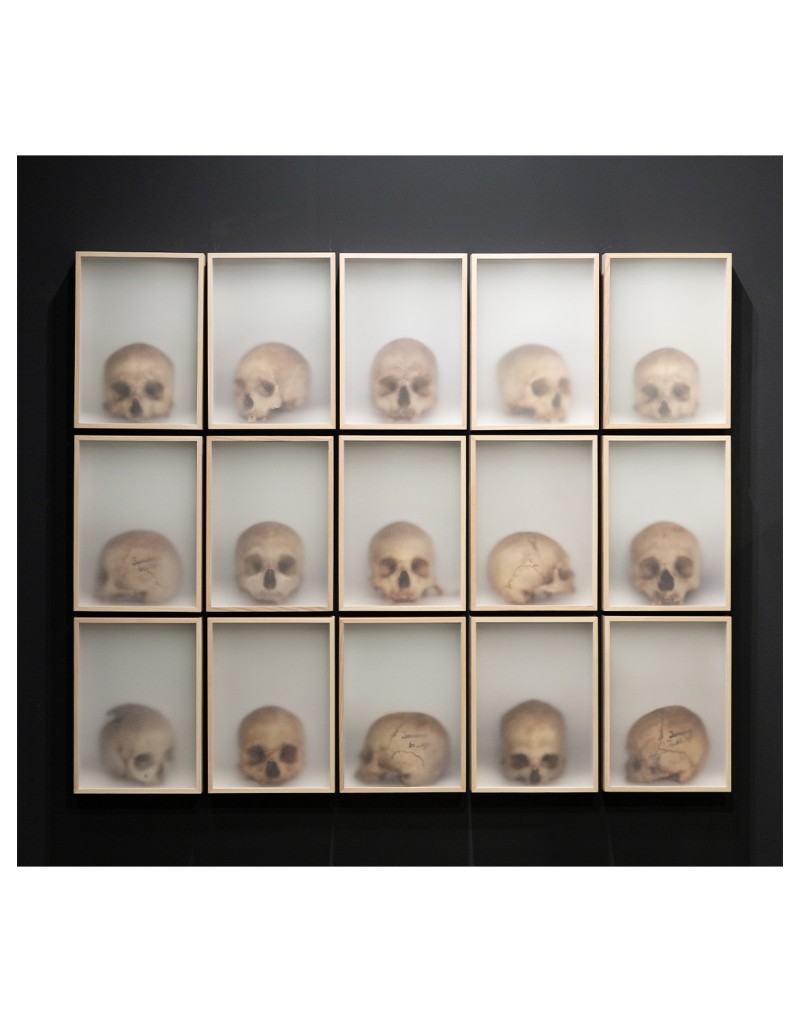
Tanimbar Skulls
Fifteen ancestral skulls that were taken in 1912 from the village of Amtoefoe, now called Lorulun, on Yamdena Island in the Tanimbar Archipelago, Maluku, Indonesia. Previously held in the collection of Museum Vrolik, they were returned to Indonesia in 2024 with the assistance of the Budaya Kita Foundation. These skulls were taken without consent and used for racial or scientific studies rooted in colonial ideologies.
The restitution illustrates a growing recognition that human remains are not mere artifacts, but deeply meaningful cultural and spiritual items. By returning the skulls to their communities, both the museum and the foundation acknowledged past injustices and supported the restoration of dignity and ancestral connections. The case exemplifies how museums can play a role in reconciling historical wrongs while fostering dialogue with source communities.
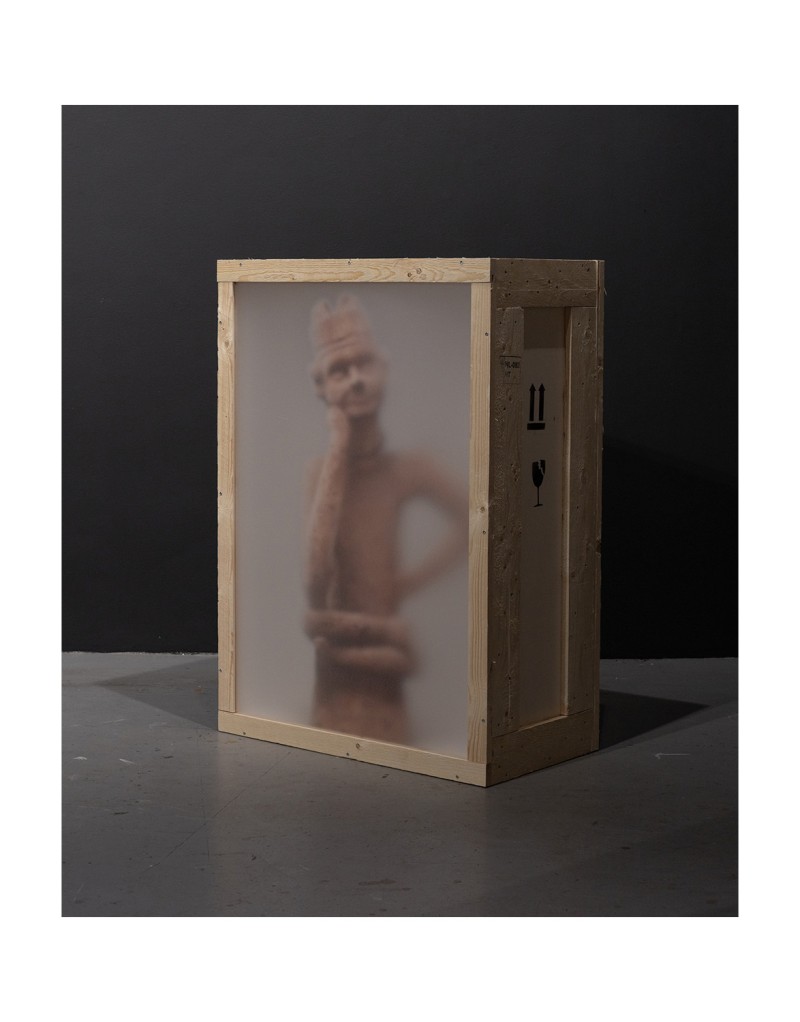
Congolese Funerary Statue
In 2020, activists took a Congolese funeral statue from the Afrika Museum, describing their act as a form of symbolic restitution. They argued the object had originally been taken during colonial rule and did not belong in a European museum. The museum reported the object as stolen, emphasizing legal ownership and the importance of preserving collections. The incident sparked debate about whether direct action can be justified in response to slow or resisted restitution processes, and who has the authority to decide the fate of contested heritage.
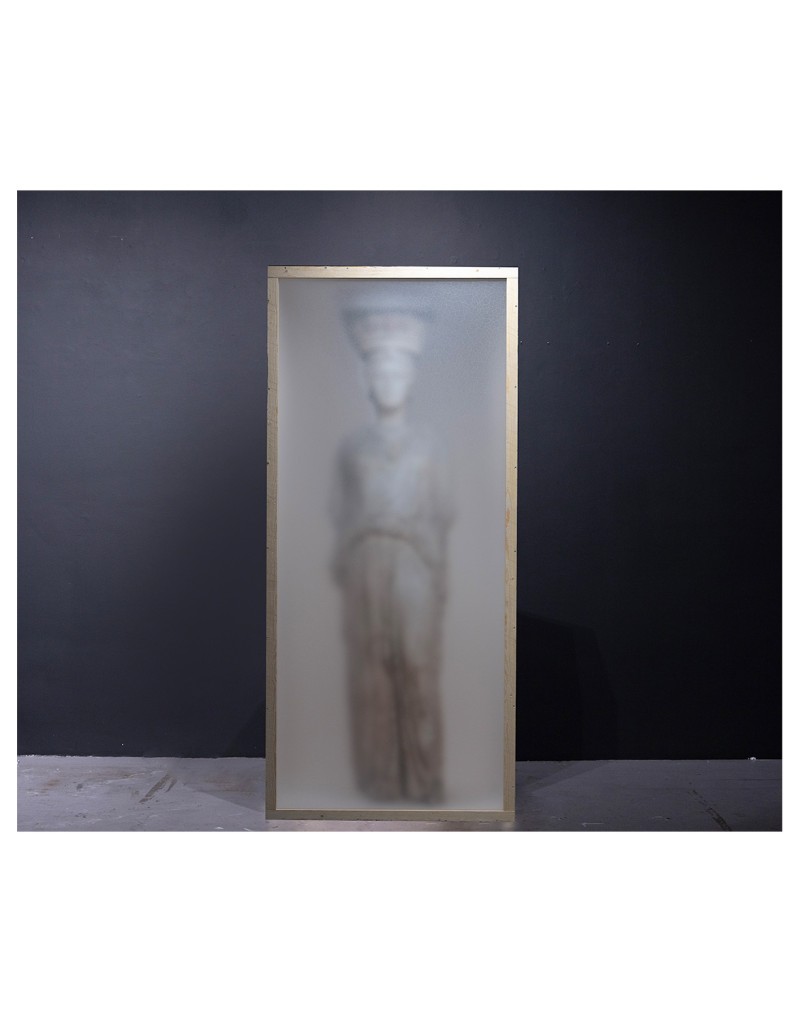
Erechteion Statue
One of the sculpted female figures (caryatids) from the Erechtheion was removed in the early 19th century by Lord Elgin and later sold to the British Museum. Elgin claimed he had permission from the Ottoman authorities, who ruled Greece at the time, though the extent and legitimacy of this permit are disputed. Greece argues that the caryatid is an integral architectural element and should be reunited with the remaining figures in Athens. Critics also emphasize that its removal caused damage to the structure and occurred under foreign occupation, raising ethical concerns about consent and cultural integrity.
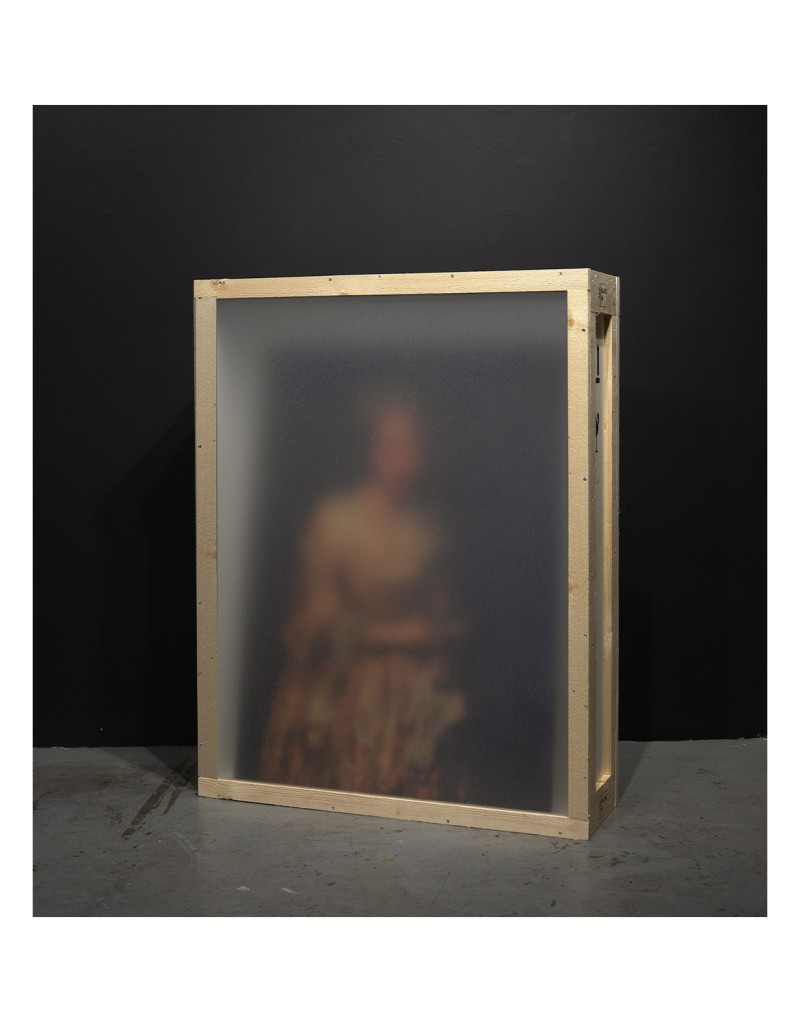
Goudstikker
A painting from the collection of Jacques Goudstikker, attributed to Giuseppe Ghislandi, was recently rediscovered in Argentina after appearing in photographs on a real estate website. Goudstikker’s collection was confiscated by the Nazis after his death in 1940 during World War II, and many works were dispersed across Europe.
The unexpected reappearance of the painting highlights how looted art can resurface outside museums or auction houses.
This case illustrates how questions of cultural belonging and ownership extend across different historical contexts. Rather than being removed in a colonial context, the painting became displaced through persecution and war in Europe.
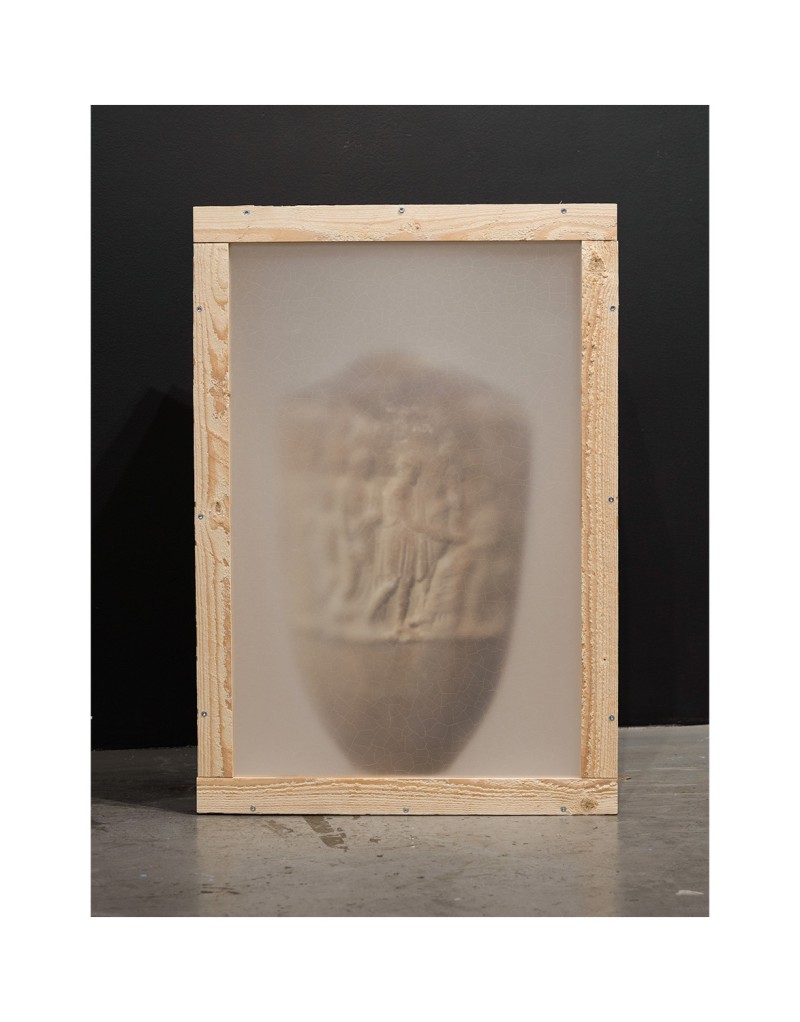
Anatolia Vase
This vase that is now in The Louvre collection, is depicted in the painting “Yeni Camii and The Port of Istanbul”, by Jean-Baptiste Hilaire. The narrative of the painting shows marble objects being loaded onto a boat in the Bosphorus in Istanbul, en route to France.
The transport is linked to the French ambassador Comte de Choiseul-Gouffier, whom Hilaire accompanied during his travels through the region. The scene reflects a broader 18th-century practice in which cultural artefacts were transported from Ottoman territories to Western Europe, often under conditions shaped by unequal power relations.
Faassen currently has an exhibition at the Pera Museum where 6 of these “ReCollected” marbles are presented next to the painting in which they appear.
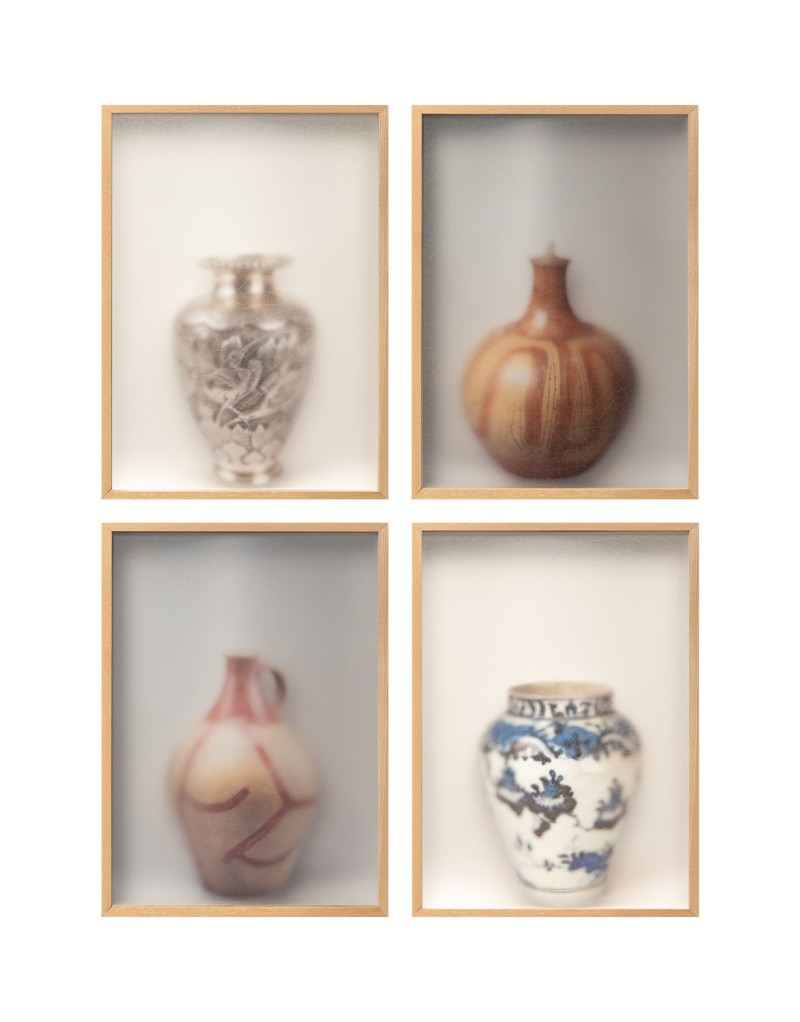
ReCollections Wall Grid
In the Netherlands, the Colonial Collections Consortium has created a database with objects whose provenance is incomplete or unclear.
By doing so they promote transparency and accountability. Rather than hiding gaps or past injustices, museums can openly acknowledge them and invite public engagement. These objects can serve as starting points for dialogue about colonial history, power imbalances, and the ethics of collecting. At the same time, making them visible may help source communities identify cultural belongings and contribute knowledge that is missing from institutional records. In this presentation we identify a small selection of those cultural belongings from amongst other countries Surinam, Indonesia and Japan.